
Views: 0 Author: Site Editor Publish Time: 2025-11-26 Origin: Site


Choosing the right material for countertops, vanities, or other surfaces is a critical decision in any design or renovation project. The material needs to be durable, functional, and stylish. While options like granite, marble, and quartz are popular, another contender deserves serious consideration: solid surface material.
Solid surface material offers a unique combination of beauty, durability, and versatility that makes it an excellent choice for a wide range of applications. This guide will walk you through everything you need to know about this innovative material, from its composition and benefits to its maintenance and cost. By the end, you'll understand why solid surface might be the perfect fit for your next project.
Solid surface material is a man-made product composed of a blend of minerals, acrylic or polyester resins, and pigments. This mixture is heated and poured into molds to create solid sheets. The result is a non-porous, homogenous material, meaning its color and composition are consistent throughout its entire thickness.
Unlike laminate, which has a thin decorative layer glued to a particleboard core, or natural stone, which can have unpredictable veins and color variations, solid surface offers uniformity and predictability. This consistency is one of its most significant advantages. If the surface gets scratched or damaged, it can often be sanded and repaired without leaving a visible trace, as the material underneath is identical to the surface.
So, what makes solid surface a compelling choice for both residential and commercial spaces? Let's explore its primary advantages.
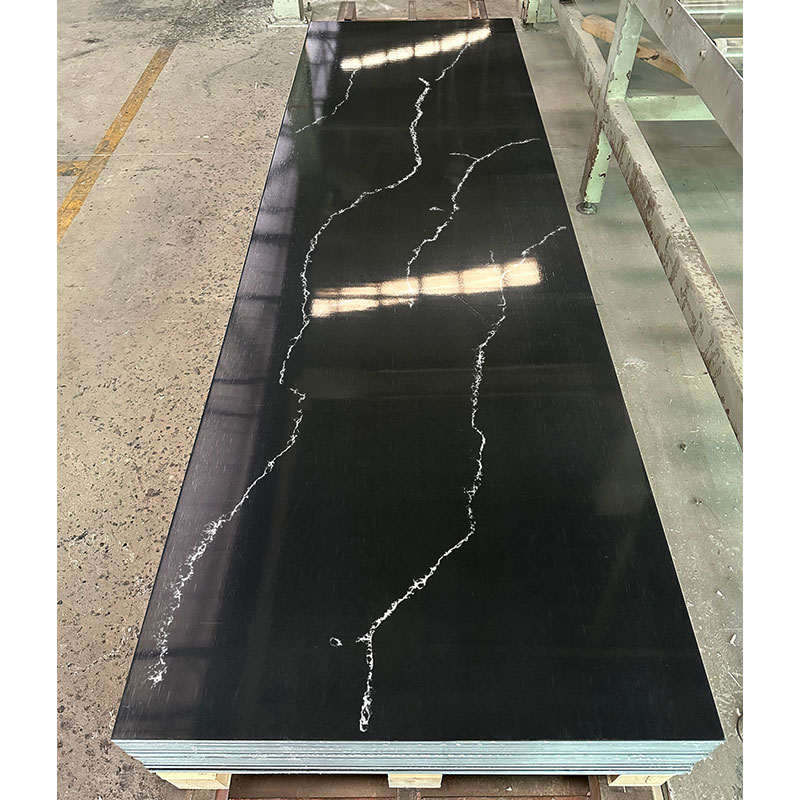
One of the standout features of solid surface material is its ability to be joined together with virtually invisible seams. Installers use a special color-matched adhesive to create a seamless, continuous look. This is not only aesthetically pleasing but also highly practical. Without seams, there are no crevices for dirt, bacteria, or moisture to accumulate, making it an incredibly hygienic option for kitchens, bathrooms, and healthcare environments.
The non-porous nature of solid surface means it resists stains, mold, and mildew. Liquids cannot penetrate the surface, so spills like wine, coffee, or juice can be wiped away easily without leaving a permanent mark. This characteristic makes it a low-maintenance and durable choice for high-traffic areas.
Solid surface is a robust material designed to withstand the rigors of daily use. It's resistant to impact, and because it is homogenous, minor scratches, scuffs, or even small chips can be repaired. A simple light sanding or buffing can restore the surface to its original condition, a feature not easily matched by materials like quartz or natural stone.
The manufacturing process for solid surface material allows for incredible design freedom. It can be heated and thermoformed into various shapes, curves, and angles. This makes it possible to create integrated sinks, coved backsplashes, and custom furniture that would be difficult or impossible to achieve with other materials. The wide array of available colors and patterns, from solid hues to designs that mimic natural stone, further enhances its versatility.
To help you make an informed decision, here’s a quick comparison of solid surface material with other popular countertop options:
Feature | Solid Surface Material | Granite | Quartz | Laminate |
Composition | Acrylic/polyester resin, minerals | 100% natural stone | 90-95% ground quartz, resins | Plastic layers on particleboard |
Appearance | Uniform, seamless | Natural veining, unique | Uniform or varied patterns | Printed decorative layer |
Porosity | Non-porous | Porous, requires sealing | Non-porous | Non-porous surface, seams are vulnerable |
Durability | Durable, repairable | Very durable, but can chip | Extremely durable, hard | Less durable, prone to scratches/burns |
Stain Resistance | High | Good when sealed | Very high | Fair, can stain |
Heat Resistance | Moderate, can be damaged by direct heat | High | High, but can be damaged by sudden changes | Low |
Maintenance | Low, easy to clean | Requires regular sealing | Low, easy to clean | Low, but damage is hard to repair |
Cost | Mid-range | Mid to high-range | Mid to high-range | Low-range |
Thanks to its unique properties, solid surface material is suitable for a multitude of applications in both residential and commercial settings.
· Kitchen Countertops: The seamless, non-porous surface is perfect for food preparation areas. Integrated sinks create a sleek, easy-to-clean workspace.
· Bathroom Vanities: Its resistance to moisture and mold makes it an ideal choice for bathrooms. Custom vanities with integrated basins are a popular option.
· Shower Walls & Tub Surrounds: Large, seamless panels eliminate the need for grout lines, which are often prone to mildew and staining.
· Custom Furniture: Desks, tables, and shelving can be crafted to fit specific design needs.
· Healthcare Facilities: Hospitals and clinics benefit from the hygienic, non-porous nature of solid surface material for reception desks, patient rooms, and laboratories.
· Hospitality: Hotels and restaurants use it for reception counters, bar tops, and food service areas due to its durability and ease of maintenance.
· Retail Spaces: Its design flexibility allows for the creation of eye-catching displays, checkout counters, and wall cladding.
· Offices: Conference tables, reception desks, and workstations made from solid surface provide a modern and durable solution.
When it comes to selecting a high-quality solid surface material, Letu Surface stands out as a premier choice. Letu offers a sophisticated range of colors and patterns designed to meet the demands of modern interior design. Combining aesthetic appeal with superior performance, Letu is engineered to provide a durable and beautiful surface for any application.
What sets Letu apart is its commitment to quality and innovation. The material is crafted to be highly resistant to stains, scratches, and impact, ensuring a long-lasting finish that remains beautiful for years. Whether you're designing a contemporary kitchen, a luxurious bathroom, or a high-traffic commercial space, Letu provides the flexibility and reliability needed to bring your vision to life. With its seamless integration capabilities and low maintenance requirements, Letu Surface is a smart investment for any project.
Maintaining a solid surface is straightforward. For daily cleaning, a simple wipe-down with a damp cloth and a mild soap or ammonia-based cleaner is usually sufficient.
· For stubborn stains: A mildly abrasive cleaner and a non-scratch scouring pad can be used.
· Preventing heat damage: Always use trivets or hot pads under hot pans or heat-generating appliances. While solid surface material is heat-resistant, prolonged or extreme heat can cause discoloration or damage.
· Avoiding scratches: Use a cutting board for chopping and avoid sliding heavy, rough objects across the surface.
If damage does occur, one of the biggest benefits of solid surface material is its repairability. A certified professional can easily sand and buff out scratches, and even repair larger chips or cracks to restore the surface to a like-new condition.
Solid surface material offers a compelling blend of aesthetics, performance, and practicality. Its seamless appearance, hygienic properties, and incredible design flexibility make it a superior choice for a vast range of projects. While it may not have the same natural look as granite or the extreme hardness of quartz, its unique advantages—especially its repairability and non-porous nature—make it a valuable contender in the world of surfacing materials.
If you're looking for a durable, low-maintenance, and highly customizable option for your next renovation or new build, solid surface material is certainly worth exploring.


